Choosing a Fence Material When the Salt Air Gets a Vote
The right fence material on Cape Cod depends on exposure as much as it depends on looks.
September 17, 2026 · 3 min read
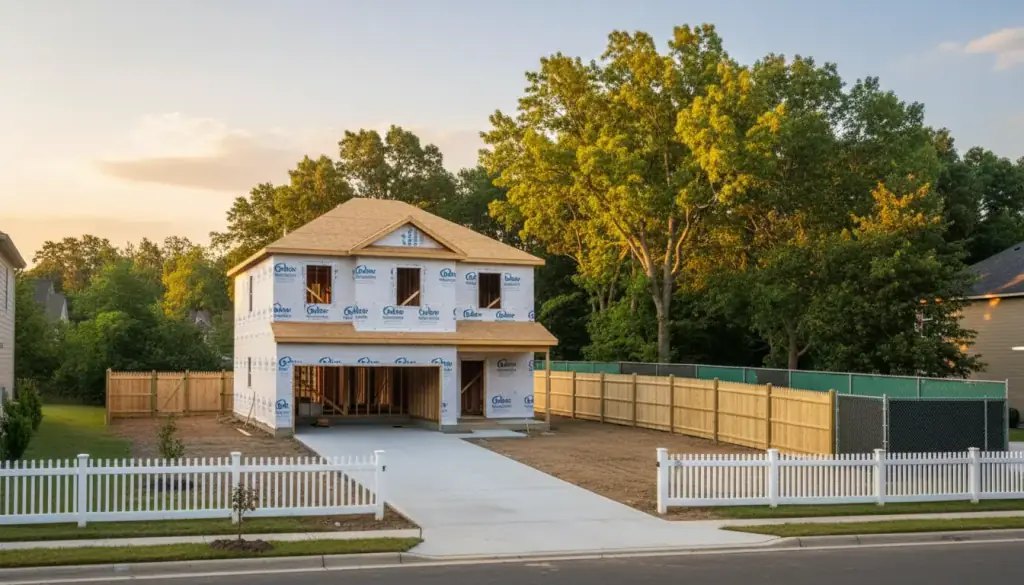
Cape Cod is a barrier beach, and any fence built out here spends its life in salt air, wind off the water, and the kind of freeze and thaw cycle that a mainland yard rarely sees at the same intensity. That changes which fence material actually makes sense for a given property, and it is worth working through honestly rather than defaulting to whatever looks best in a catalog photo.
Chain-link and galvanized
Chain-link is the material most people picture when they hear the word fence, and there is a reason it has stuck around for so long: it is straightforward, it lets light and air through, and a galvanized finish holds up well against the kind of damp, salty air that eats through unprotected steel in a few seasons. It is a common choice around pools, dog runs, and commercial properties like industrial sites and tennis courts, where the priority is containment rather than privacy. It is not the material to reach for if the goal is blocking a neighbor's view or softening a property line, but for what it does, it does reliably.
Vinyl and full color vinyl
Vinyl fencing has become a popular alternative to painted wood specifically because it does not need repainting, and that matters more on Cape Cod than almost anywhere, where salt spray and sun both work against a painted surface faster than they would inland. Standard white vinyl is the most common choice, but full color vinyl is also available for anyone who wants a look closer to a stained wood fence without the yearly upkeep that stain requires. Vinyl works well for privacy fencing, pool enclosures, and anywhere a clean, low maintenance line is the priority over a natural wood look.
Split rail and custom wood
Split rail sits at the opposite end of the spectrum from a solid privacy fence. It marks a property line and adds character without blocking a view, which makes it a natural fit for a front yard or a larger, more open lot where a solid fence would feel out of place. Custom wood is the material for a fence that needs to be built to a specific size, shape, or design rather than chosen off a standard list. Anyone with a particular vision for a fence, a gate, or an enclosure that does not match a stock option can work directly with the crew that builds it, describe what they have in mind, and get something made to that specification rather than adapted from something else.
Wood does ask for more attention than vinyl over time, particularly this close to the water, and anyone choosing it should go in expecting to maintain the finish rather than treat it as a one time installation.
Choosing against salt air and exposure
None of these materials is the universally right answer. A fence tucked behind a house, away from direct wind and spray, can often carry a wood or split rail look without much trouble. A fence standing in the open, facing the water or exposed to the prevailing wind, is a better fit for chain-link, galvanized, or vinyl, simply because those materials are built to shrug off exposure that would wear a painted surface down faster. Position on the property, and how much direct exposure a given fence line actually gets, is usually a better guide than personal preference alone.
This is exactly the kind of question that gets sorted out on a property walk rather than over the phone. A yard that looks uniformly exposed from the street often has pockets that are more sheltered than they appear, and vice versa, and seeing the actual site is what turns a general material preference into a specific, sensible choice.
Whether the project is a residential privacy fence, a full commercial run, or something in between, all six materials are available through the same shop, and a look at the site conditions is the fastest way to land on the right one. Call 508-255-1710, ask for Todd, and get a walk scheduled, or send the details through the contact page first. The residential fencing and commercial fencing pages cover how each of these materials gets used on a real job, and the fence types page runs through the full lineup in more depth.
Landmark Fence, 508-255-1710
Call 508-255-1710More articles
What Actually Decides Where a Fence Line Goes on a Cape Property
Before a single post goes in the ground, the property itself decides the fence line, not the first guess on paper.
Renting Temporary Fence for a Build
A construction site needs a fence line for as long as the work takes, not a day longer.